
Olmo Lipani, better known as Dėhà, is a musical jack-of-all-trades from Belgium who seemingly has no trouble cranking out five to six albums a year. Somehow, this relentless productivity never becomes tiresome or oversaturated; on the contrary, his output remains surprisingly consistent and sincere.
His creativity is by no means confined to a single project. Besides Dėhà, Lipani is active in an impressive number of bands and collaborations, including Alukta, Silver Knife, Wolvennest, and as a live musician for Oerheks. And that’s far from the full list. Naming everything here would take up far too much space, so we’ll gladly leave that bit of homework to the reader.
As if all that weren’t enough, Lipani is also involved with Blackout Studio in Brussels, where he works on recordings and productions for a wide range of artists. On top of that, he runs his own small label, Musical Excrements, which primarily releases his own work and related projects.
A day only has 24 hours, an unyielding law of nature, but Olmo Lipani appears to consistently ignore it.
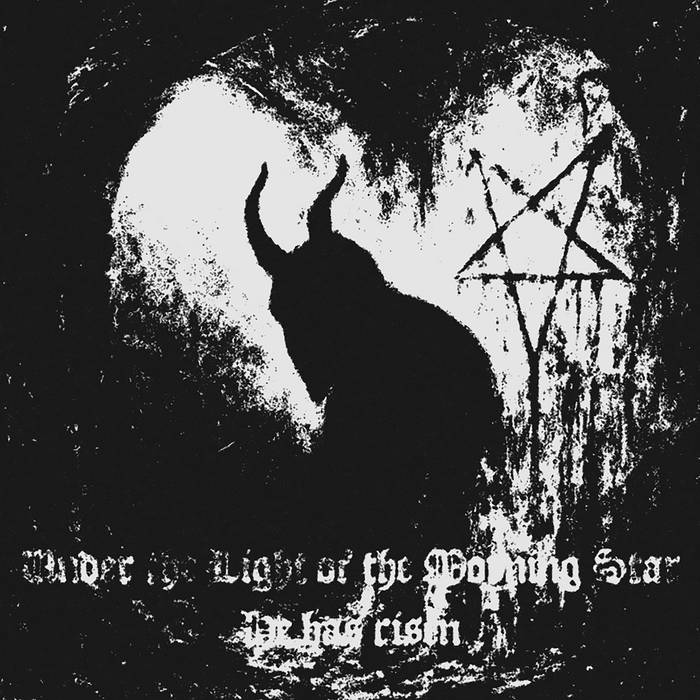
This latest outburst, well, latest, considering another full-length album appeared just two days later, is once again an ode to old-school Black Metal, infused with a heavy dose of Doom-laden misery. Dėhà doesn’t stand entirely alone this time around, as he received vocal support from Estéban Lebron-Ruiz (Hispŷn) and Philipe Black. Which vocalist appears on which track remains somewhat unclear, but ultimately that matters little.
Apparently, this album was recorded between 2021 and 2025, which means Lipani was juggling multiple projects simultaneously during that period. If anything, that only makes the achievement all the more impressive.
Musically, the album effortlessly shifts from sluggish, doomy passages to nearly industrial, rhythm-driven Black Metal, with subtle post-metal influences surfacing here and there. Everything passes by naturally, without ever feeling forced. The sound is raw, compact, and above all brutal, a production that smooths nothing over and keeps every edge razor-sharp.
This is the kind of record you willingly sink into: a pool of decay, corruption, and relentless devotion to Lucifer, exactly as it should be.
Dissonant guitar riffs, together with the vocals, slowly and inexorably drag you into the abyss, straight toward damnation. Every note feels like another step away from the light, deeper into the dark. I say: hail Lucifer, let the music do the talking, without explanation or apology.
Later this week we’ll return to Dėhà once more, because as mentioned earlier, last December did not end with this act of Luciferian worship alone. More material surfaced, and it deserves to be addressed separately, which we will not leave undone
85/100