
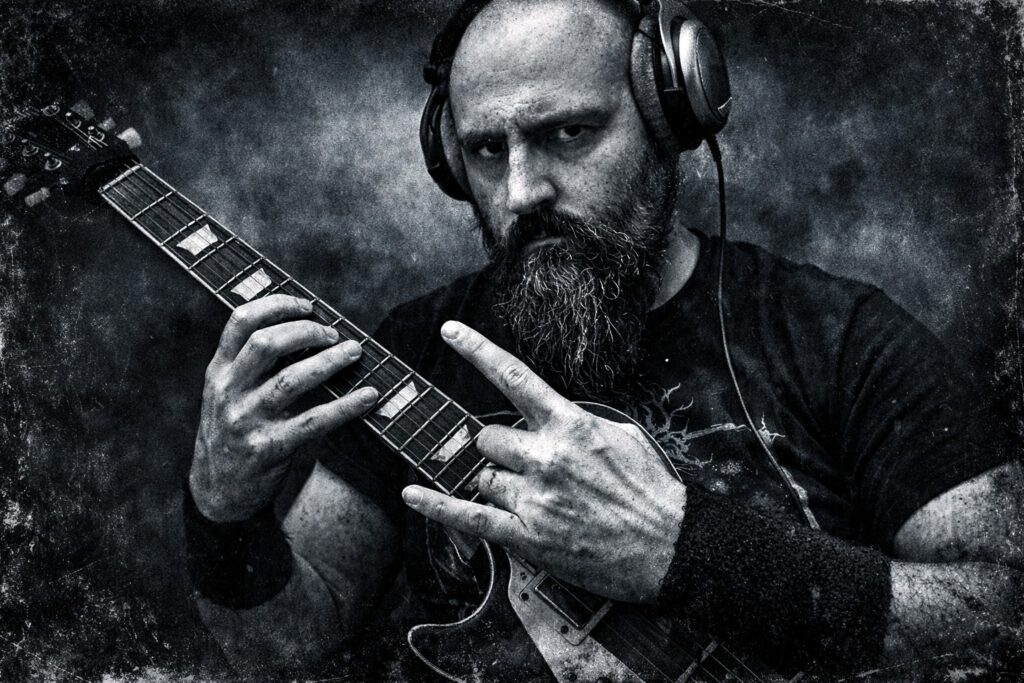
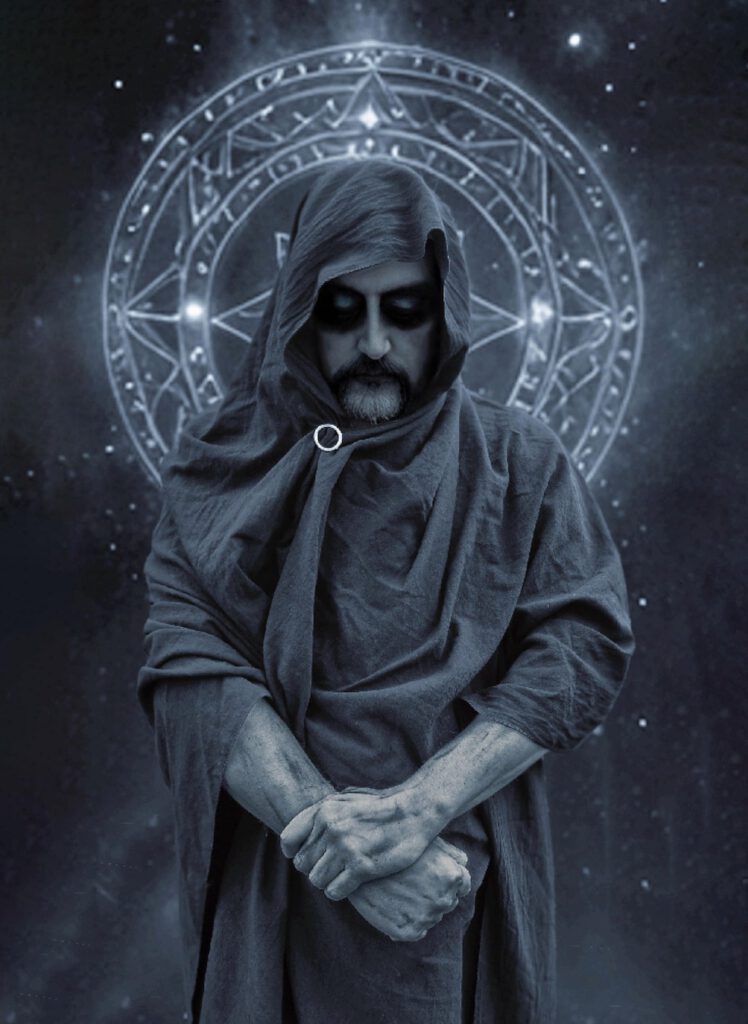
Emerging from the shadows of the ‘90s Scandinavian black metal legacy, Winter Eternal is the solitary vision of a Greek-born musician named Soulreaper, now based in Schotland. With a sound deeply rooted in melodic intensity, atmospheric depth, and raw emotional expression, Winter Eternal channels the spirit of the genre’s golden era while forging a personal and heartfelt identity. With the release of the latest album Unveiled Nightsky, the project seems to come full circle – Reconnecting with its origins while stepping confidently into the present. We spoke with the mind behind Winter Eternal about heritage, inspiration, melody, and the enduring power of black metal.
Could you briefly introduce yourself and explain how your musical identity took shape?
Winter Eternal is my melodic black metal project, officially started in 2011, though its roots go back to my first band, Unveiled Nightsky, around 2000. I grew up deeply influenced by 1990s Swedish melodic black metal, especially bands like Dissection, Gates of Ishtar, and Vinterland. That sound, combined with early Hellenic and Norwegian influences and my own personal experiences, formed the core of Winter Eternal.
You started out in Greece and later moved to Scotland. Has that geographical shift influenced your music or your creative process?
Yes, without a doubt. Greece shaped my roots and mindset, while Scotland influences the atmosphere of the music. The landscapes, isolation, and climate here naturally shape the overall mood, without me consciously planning it.
Greece has a rich history, both mythologically and within the black metal scene. To what extent do you feel connected to that Greek tradition, and can that connection be heard in the themes or sound of Winter Eternal?
I feel very connected to Greek tradition and mythology. Ancient history and myths have always fascinated me, and they often appear in the themes and stories behind the music. While Winter Eternal doesn’t follow the classic Hellenic black metal sound, the spirit of that tradition is always present in the work.
Your newest album is titled Unveiled Nightsky, which was also the project’s original name. Does this album represent a full-circle moment for you?
Yes, it does feel like a full-circle moment. Unveiled Nightsky was the name of my very first project, long before Winter Eternal existed. Using it again felt like reconnecting with my beginnings while fully expressing where the project stands today.
The music breathes the Swedish melodic aggression reminiscent of Dissection and Sacramentum, while the natural, forest-like atmosphere and use of acoustic guitars evoke Ulver. Are these conscious influences, or does that emerge organically from your musical preferences?
Those bands are definitely part of my musical DNA, but I don’t consciously try to sound like anyone. I focus on making music that resonates with me and, hopefully, connects with others as well.
The production of Unveiled Nightsky feels like a clear step forward: organic, clear, and powerful without becoming clinical. How did the production process unfold? And how do you guard the line between a strong, transparent mix and an overly polished sound? Did you have full control over the mixing and mastering process, or do you collaborate with others in that regard?
I wanted Unveiled Nightsky to sound organic and powerful without being over-polished. I recorded the guitars, bass, and vocals myself, while the other parts were handled by friends in Greece. I really dislike copy-pasting or faking anything when recording, so small imperfections remain, which I think makes the songs feel more “real” and dynamic.
With Winter Eternal, everything seems to revolve around melody and emotion. Does a song usually begin with a riff, an atmosphere, or an emotional concept?
Most songs start with a guitar riff. I jam and record ideas until something clicks, then start shaping them into a full song. Sometimes it comes together quickly, other times it takes a while. I usually write the lyrics last, not just because they take the longest, but because I need the music to guide them.
Emotion clearly plays a major role in the music, especially in your vocals where it feels like everything is laid bare. How do you prepare for vocal recordings?
I don’t really prepare in a technical way. I just need to be in the right mental state and fully connected. I’d also like to explore more vocal variety in the future, so that’s something I’m planning to work on.
Many riffs feel familiar and nostalgic without falling into excessive clichés. How important is it to you that a riff is memorable? And how much do you value originality or a drive for innovation?
Memorability is very important because a riff can feel like a moment frozen in time, taking you back to when you first heard it. At the same time, I focus on honesty and the overall atmosphere I have in mind rather than trying to force originality. If it doesn’t feel natural, I usually leave it out.
Do you feel that melodic black metal is sometimes underestimated nowadays compared to more lo-fi, dissonant, or extreme variants within the genre?
Yes, melodic black metal is often underestimated, but honest music will always find a way to reach the right people.
The melodic bass lines stand out prominently. How important is the bass in your compositions?
Everything in a song is important, and the bass is no exception. Sometimes it simply holds the root note, and other times it takes a leading role. The important thing is that it complements the music as a whole.
Unlike many one-man projects, you work with a real drummer. How has the collaboration with (session) drummer V. Nuctemeron developed? Do you give a lot of direction, or does he have creative freedom within the songs?
I have the honor and privilege of being surrounded by many talented friends, and V. Nuctemeron is no exception. His contribution has always been vital for Winter Eternal. I give him the general direction for each song, but he has room to add his own ideas and personality, which adds depth and character to the music.
The artwork of Unveiled Nightsky evokes strong cosmic and nocturnal imagery, reminiscent of classic Scandinavian ’90s aesthetics. Was that a deliberate choice? Do you also work from visual or atmospheric imagery while composing?
I worked with the talented Mars Triumph on the cover. I gave him a few instructions, but the final result went even beyond what I had imagined. For Unveiled Nightsky, I wanted the artwork to capture the cosmic and nocturnal atmosphere.
Is Winter Eternal primarily escapism for you, nostalgia, or a form of personal expression?
Winter Eternal is mainly a form of personal expression for me. It’s a way to explore emotions, ideas, and stories that feel meaningful at a particular moment in my life.
If you had to name one black metal album from the ’90s that best reflects the soul of Winter Eternal, which album would it be?
Storm of the Light’s Bane by Dissection. For me, it represents the perfect balance of melody, aggression, atmosphere, and emotion.
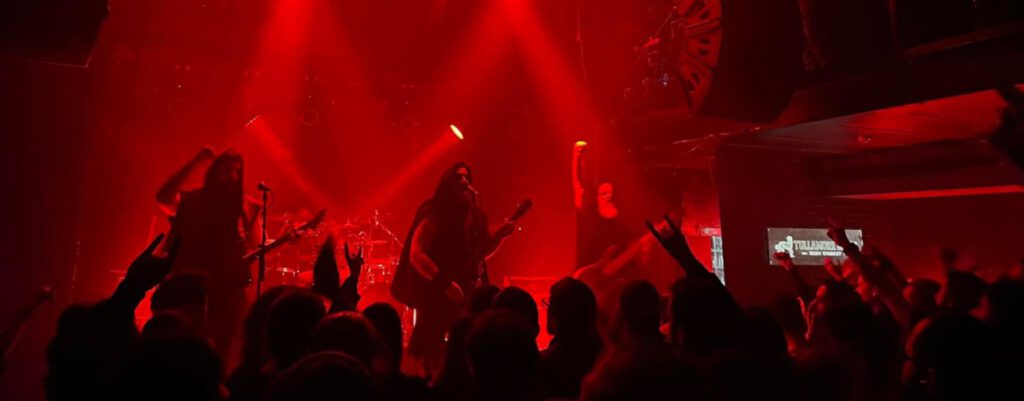
You perform live with a full line-up. Are these permanent members, or do you work with session musicians for live shows?
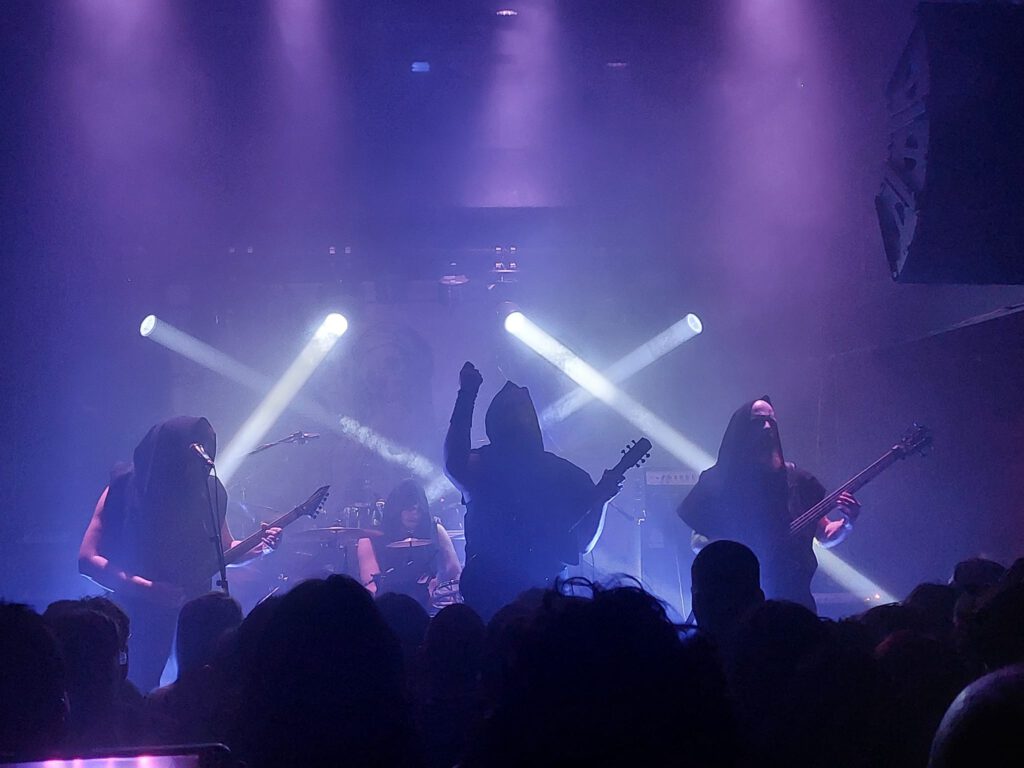
The live members are close friends based in Greece. Winter Eternal is still a solo project in the studio, but for live shows we have a full band that rehearses and performs together.
What can we expect from Winter Eternal in the future?
After Unveiled Nightsky, we have shows planned in Mexico and the UK to support the album. If time allows, we’d like to gig more before focusing fully on the next album. I’ve been working on it for about a year and a half now, and it will draw exclusively from Greek mythology, focusing on the Underworld, its rivers, and Hades.
Thank you for the interview. Do you have any final words for the readers of Merg & Been?
Huge thanks to everyone who walks alongside Winter Eternal’s journey, whether by helping, supporting, or simply listening, and thank you for this interview.
Spread the Darkness…