

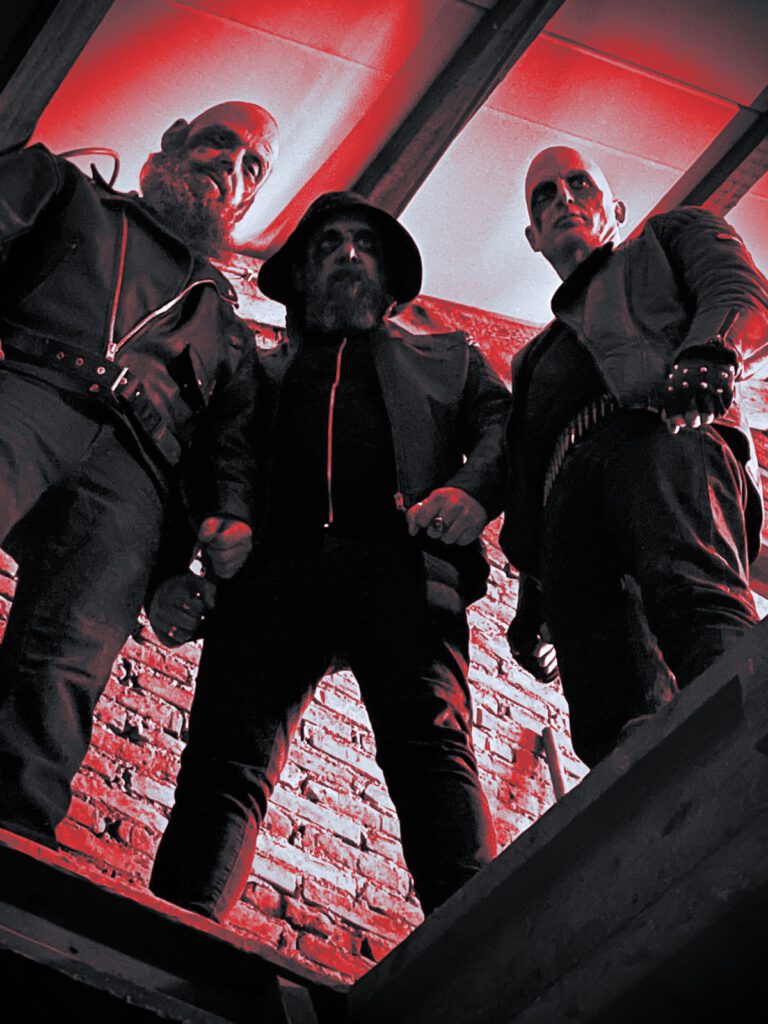
Emerging from the Dutch underground with a sound as uncompromising as it is immersive, The Chösen stand as a manifestation of Black Metal’s enduring power to confront, provoke, and transcend. Rooted in the raw tradition of the genre yet unafraid to carve their own path through dissonance, atmosphere, and ritualistic intensity, the band channels both personal conviction and collective fury into their work. In this interview, we delve into the ideology, creative process, and inner workings of The Chösen, exploring what drives their vision and how they position themselves within, and against, the ever-shifting Black Metal landscape.
Can you tell us about the origins of The Chősen and the vision behind the band?
The Chősen was formed out of a shared sense of discontent — with modern emptiness, cultural amnesia, and the dilution of meaning. From the beginning, the band was never meant to be a casual musical outlet. It was conceived as a vessel for ideas, memory, and resistance. Our vision is rooted in forgotten grandeur: the remembrance of free people, ancestral strength, and the spiritual violence required to reject imposed values. The Chősen exists to awaken what has been buried.
Why did you choose the name The Chősen, and what meaning does it hold for you?
The name is deliberately confrontational. It is not meant in a religious or messianic sense, but as a reclaiming of agency. “Chosen” implies will, endurance, and separation from the passive mass. It refers to those who choose to remember, to resist, and to stand apart — not because they are granted status, but because they bear the weight of that choice.
How has the Dutch underground scene shaped you, both musically and ideologically?
The Dutch underground taught us self-reliance and suspicion of trends or validation. Musically, it reinforced the value of rawness and intent over polish. Ideologically, it confirmed that conviction matters more than acceptance.
Which themes lie at the core of your music and lyrics?
Our core themes revolve around eternal struggle, forgotten sovereignty, ritual warfare, and the rejection of modern false gods. We draw from myth, pre-Christian spirituality, philosophy, and historical consciousness. Memory itself is a recurring theme — memory as a weapon, and forgetting as defeat.
Which bands, artists, or movements have had the greatest influence on your sound?
We are influenced by early black, death and thrash metal in spirit rather than imitation — bands that treated music as confrontation rather than entertainment. Think of band like Order from Chaos, Bathory, Sodom and of course Celtic Frost/Hellhammer. Beyond metal, we draw from martial music, ancient poetry, and philosophical texts. Influence is absorbed, not replicated.
How do you balance aggression and atmosphere within your compositions?
Aggression without atmosphere is empty violence; atmosphere without aggression is hollow mysticism. We see them as inseparable. Riffs are weapons, but they must exist within a larger ritual space. Dynamics, pacing, and repetition are used deliberately to let tension breathe and strike harder.
To what extent do identity, philosophy, or spirituality play a role in your work?
They are central. Our work is not autobiographical in a modern sense, but it is deeply existential. Philosophy and spirituality provide structure and depth, not decoration. Identity is approached collectively and ancestrally rather than individually.
How does your creative process usually unfold?
It varies. Sometimes a riff carries a clear atmosphere that dictates the concept; other times a thematic idea demands sound. Nothing is forced. Songs evolve organically, but always under the discipline of intent — nothing exists without purpose.
Do you see The Chősen as purely a musical project, or also as a statement against the modern world?
It is both. Music is the medium, not the goal. The Chősen stands in opposition to the modern world’s obsession with comfort, distraction, and moral relativism. This is not nostalgia — it is refusal.
How important is the live experience for you compared to studio recordings?
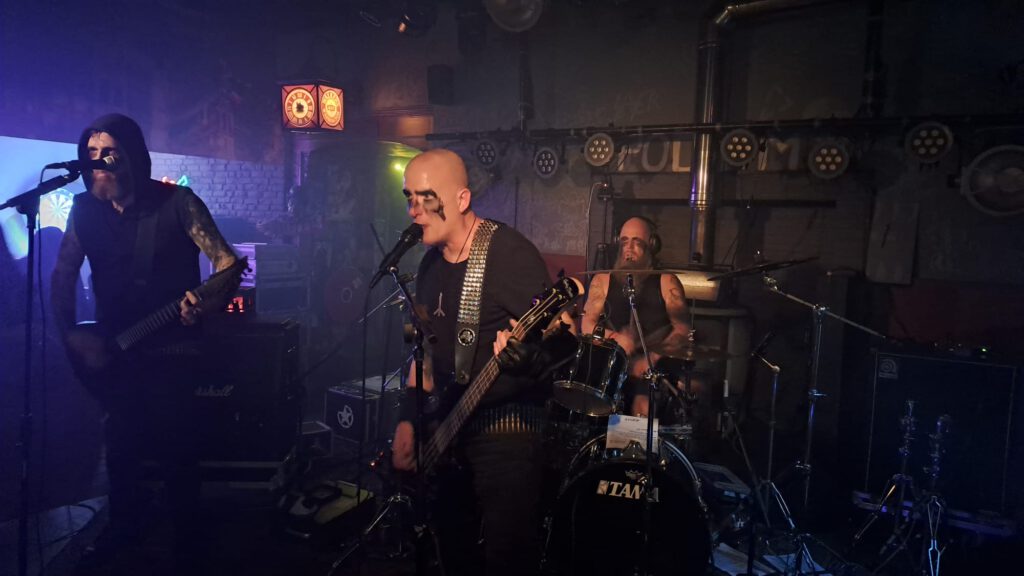
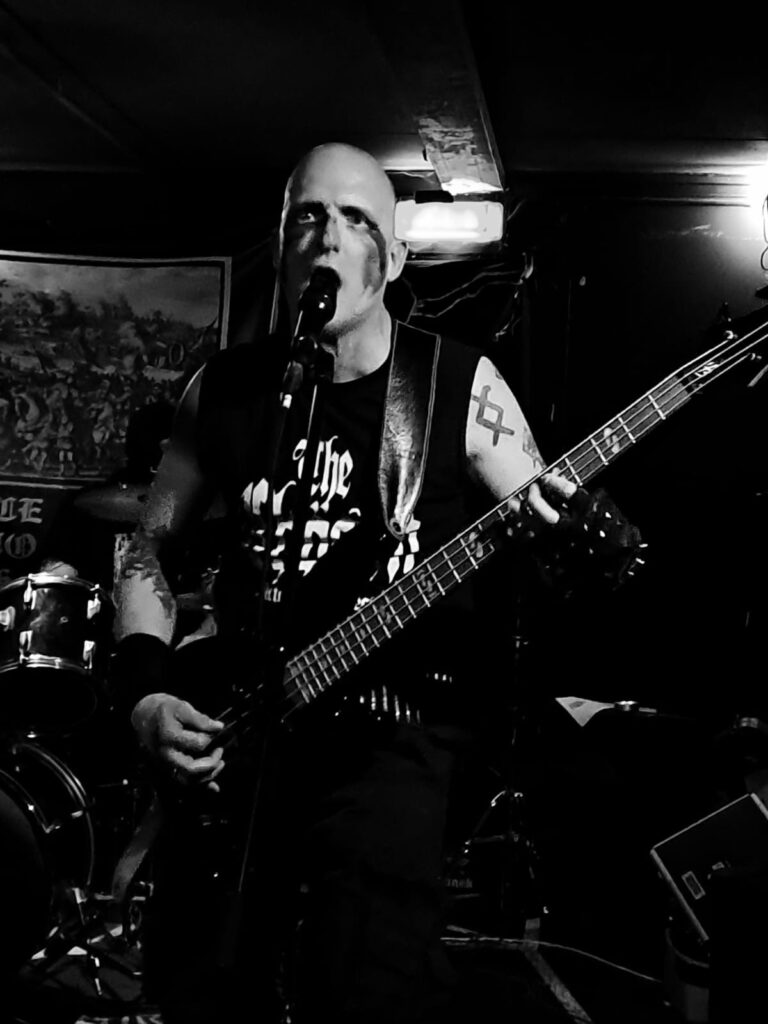
Live performance is essential. Studio recordings preserve the message; live shows test it. On stage, there is no distance — only confrontation, energy, and shared presence. That exchange cannot be replicated.
Are there specific rituals, environments, or states of mind you need in order to compose?
Focus and isolation are crucial. Composition requires a mental withdrawal from noise and triviality. While not ritualistic in a theatrical sense, there is always a deliberate preparation of mindset — discipline over inspiration.
How do you approach authenticity in a genre that is deeply rooted in tradition?
Authenticity comes from conviction, not from copying aesthetics or sound. Tradition is not a museum — it is a lineage.
What direction do you want The Chősen to take in the coming years, both musically and thematically?
We aim to deepen rather than broaden. Musically, more emphasis on structure, tension, and ritual weight. Thematically, a further excavation of forgotten myth, sovereignty, and the psychology of resistance.
What do you hope listeners take away after experiencing your music?
Unease. Strength. Recognition. Not comfort. If the music awakens something dormant — anger, pride, remembrance — then it has fulfilled its purpose.