
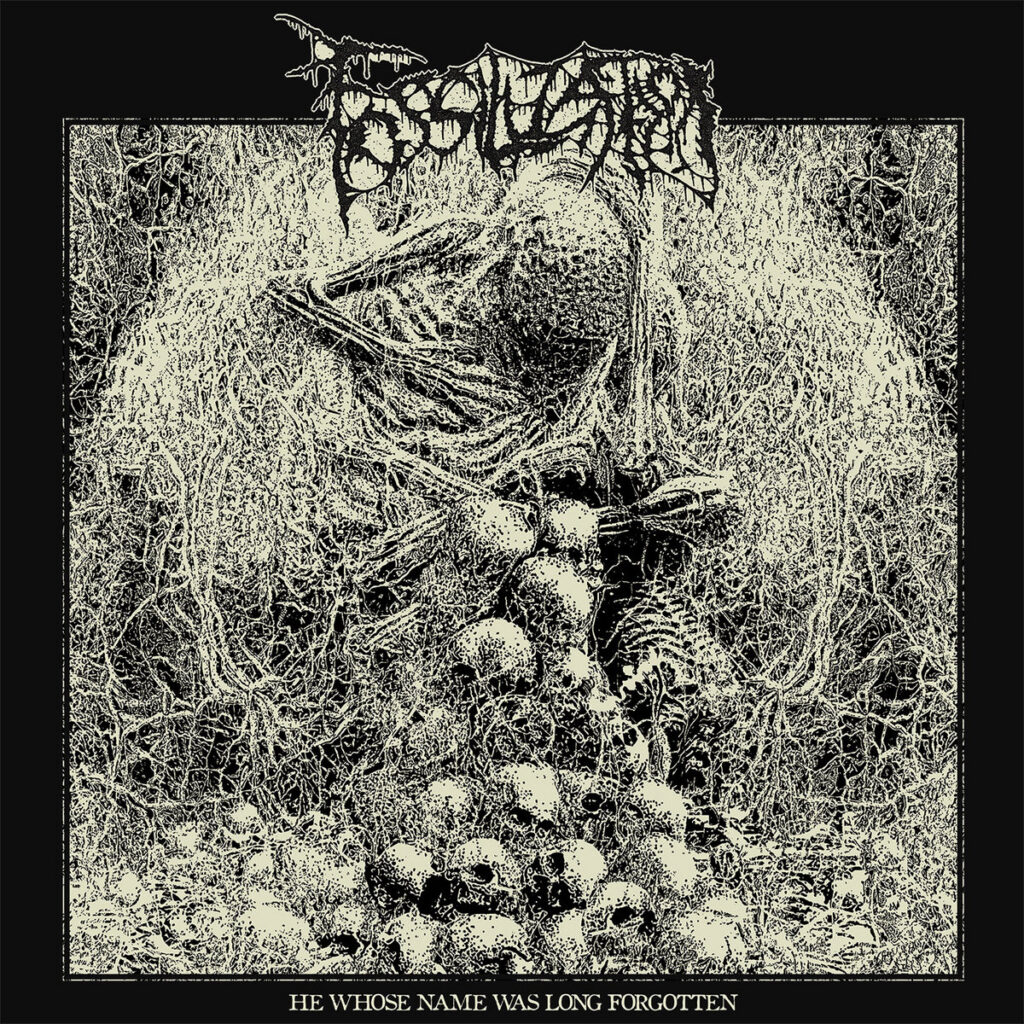
Fossilization is a band I hold in very high regard. After their first EP from 2021, He Whose Name Was Long Forgotten, they released a split and three more singles (besides the split all part of the first full-length). In 2023 the debut finally saw the light of day: Leprous Daylight. This album sits in pretty much every playlist I make, and I can play it front to back in my sleep.
Following their second full-length, Advent of Wounds (which I rate a 95/100 — see review) , I reached out to Fossilization to ask a few questions, and they responded very quickly and enthusiastically. So without further hesitation:
Hi Fossilization, thanks for taking the time to speak with me and answer some questions. First of all, how are you doing personally?
Hello Daan, thanks for the interest and for having us here. I’m doing fine. Things got a little hectic duringthe creation of our last album, but they’re finally getting back on track.
How did you get to the point of starting this band? What are your musical influences?
I had been planning to start a death metal project for years, but Jupiterian was a very active band, so I never had enough time to work on it properly. When the pandemic hit and we had to stay at home, I started working on some riffs and recording them, and a few months later we had ‘HWNWLF’ EP out.
My musical upbringing started with the classics, Morbid Angel, Deicide, Obituary, Cannibal Corpse, Immolation, but also a lot of doom bands from the early ’90s, like early Anathema, Paradise Lost, My Dying Bride, and Katatonia. Of course, like anyone who gets into this kind of music, I kept digging deeper and deeper into the underground, and I still do. I love discovering new great bands to this day and new bands also influence me.
How did the first full-length Leprous Daylight come together, did that debut feel like a logical step after the EP and split release?
It’s hard to say there’s anything logical about my songwriting, because I’m not a very technical guitar player. I usually create music starting from a single riff and then follow whatever comes next. I tend to think of it as the song leading me where it wants to go, using me as a vessel to be born. I don’t really look back at past releases while creating a new album, because that might force it to sound similar to previous material.
Congratulations on the new album; for me this is already a classic. How does it compare to the previous one? Was anything different in the writing or recording process?
Thank you very much! The writing process was completely different this time, since Paulo left the band and I was very used to his drumming style. Because of that, I basically started working with no boundaries or limitations, I just kept the riffs coming and figured I would decide who would record the drums later.
In the end, it worked out. We designed the drum parts and sent them to F., who is a great drummer and plays in several grindcore bands in Brazil.
Do you see the new full-length as a logical continuation of the debut? Does it affect any sense of storytelling?
Looking back at our past releases, I feel a strong connection and a clear sense of continuation between them, even lyrically. It’s almost like transforming sacred Catholic beliefs into something mundane, made of flesh and bone.
On the EP, there are lyrics like Caronte. On Leprous Daylight, Once Was God follows with the image of a god’s corpse lying, rotting, forgotten under the sun. Now, on the new album, there are tracks like Cremation of a Seraph or Scalded by His Sacred Halo.
There is definitely a sense of storytelling there, but even though it wasn’t intentional, everything seems to work together quite naturally.
Through Metal Archives I noticed that drummer “P” is not involved on this album, is that correct? And if so, who recorded the drums?
Yes, that’s correct. Paulo left the band at the end of 2024, and I started working on the new album shortly after that. We brought in a session musician for the recording, his name is Felipe Veiga, credited as F.
He’s a good friend of mine and a great drummer, and everything worked really well with him in the studio.
What does your songwriting process look like? Can you walk us through how a track comes together and how the lyrics are written?
I handle the entire creative process on my own, and for most people who work alone, it’s a very lonely and introspective journey, but it’s also the purest way to reach the core of your craft.
With this new album, once all the riffs were written, Z. and I started designing the drum parts so Felipe could have a clear idea of what we wanted to achieve in each song. The lyrics are always the last step for me; after everything is tracked in the studio, I take some time off to focus on them.
There’s a morose flow of joy and penance throughout the process, but when the music finally comes to life, it pays off.
What prompted that change?
I simply didn’t want to be repetitive or keep pushing the same idea over and over. I don’t want the band to be predictable, and that change is also a statement, people can expect anything from us.
There’s no formula or template that fits what I want to deliver with Fossilization.
Staying on the artwork: why was this design chosen? Who came up with it, and which artist created it?
I had many ideas for the artwork, but when I came across Guang Yan’s art, I immediately felt that was it. There was no other artwork I could imagine commissioning or briefing an artist to create that would fit the concept I had in mind for Advent of Wounds any better.
So I contacted him right away, and once we received the artwork, I reached out to Justin Stubbs (Father Befouled), who is a great designer and a good friend of mine, to work on the album layout.
What brands do you use? Could you give me a full gear walkthrough (including software)? Why did you choose those brands?
I can, of course, but I don’t want to sound too pedestrian about what people take from the music. I prefer to encourage the idea that brands don’t really matter. I see a lot of people glamorizing equipment and gear, but in the end, what matters are your ideas. Expensive gear and guitars don’t write riffs or songs, what matters is how much of your time you’re willing to devote to the work.
What people hear when they get the CD or vinyl is simply the best you could do with what you had available. It’s the hours, sometimes days, weeks, or even months, spent working on a single riff, not whether you’re playing an expensive Gibson or anything like that.
That said, I play a Jackson RR. For the recorded tone, we usually blend different amp heads until we find the right sound. As for software, I use Logic Pro X for writing and demoing because it’s fast and easy to edit, but once we’re in the studio, we work with whatever DAW the engineer prefers.
Was the plan always to play live, or did that develop over time?
Definitely, that was always the plan. At first, my main goal was simply to make the band real, not just an idea in my mind. Once we released the EP, we started looking for people who could bring the music to life on stage.
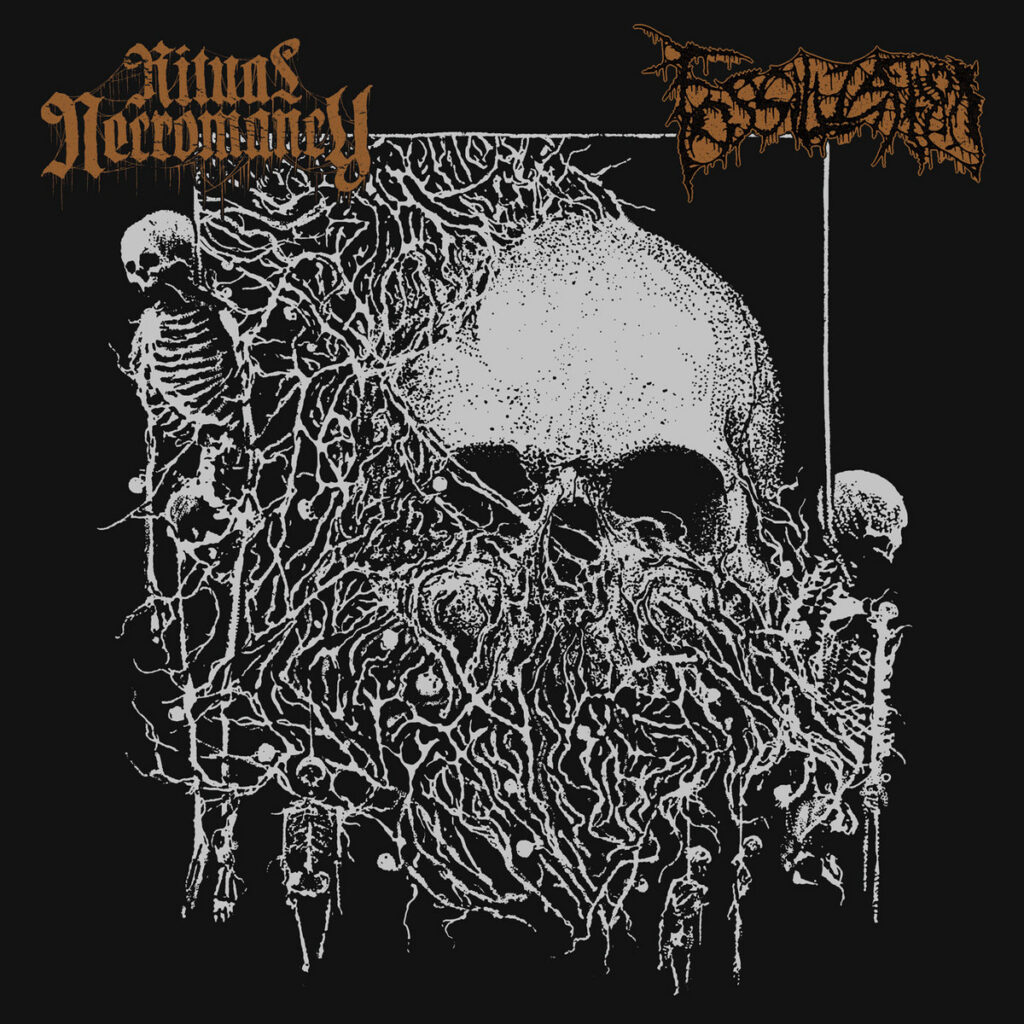
Live, you’re incredibly tight, the energy really comes across and the songs stand like a house. Are there plans to tour again? (And will you be coming back to the Netherlands?)
Thank you! I believe there’s no other way to step on stage unless you’re willing to give every last bit of energy you have. That’s devotion to your craft and to yourself.
There’s a full European tour planned for this August. I don’t know the full route yet, but hopefully we’ll be bringing our weapons back to the Netherlands.
What are your future plans? Is there a particular direction you want, or still want to explore?
I’ve already been working on some new riffs, but it will still take some time before we enter the studio again. For now, our main focus is the upcoming tour with Phobocosm. It will be a three weeks run across the continent, and we’re very much looking forward to it.
Thanks for answering my questions. I genuinely feel honored and I’m beyond excited to be speaking with you. Do you have any final words for our readers?
Once again, thank you very much, Daan, for your time, the space you’re giving us, and the great questions. It was a pleasure to answer them. Stay metal!